
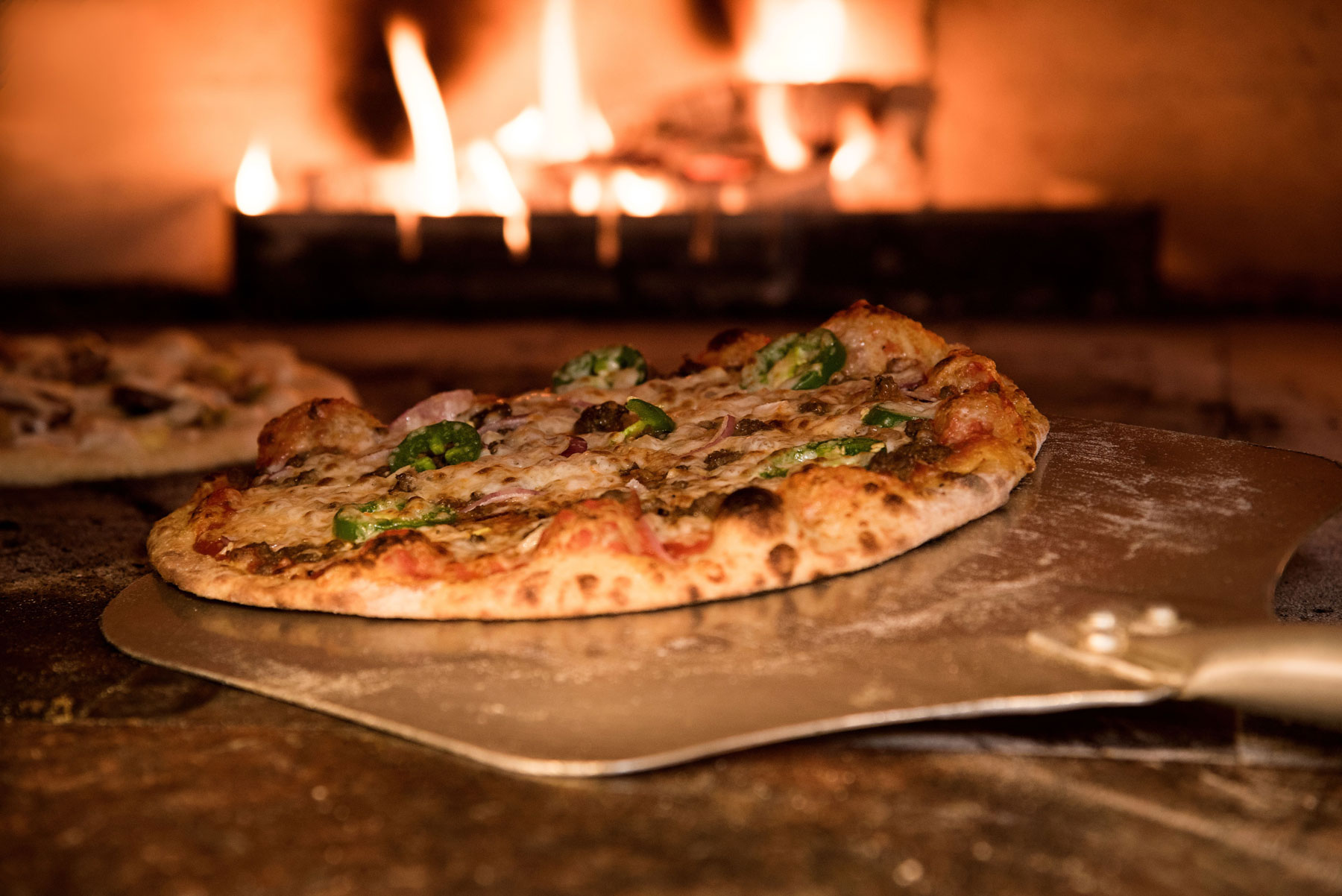
For many UK weddings, evening food works best around 8:30pm to 9:30pm—but that is a starting point, not a rule. Count forward from when the wedding breakfast actually finishes, consider when evening guests arrive and avoid placing food directly across speeches, the first dance or another moment that needs everyone’s attention.
Build the timing from your day
Write down these five times before choosing the serving window:
- ceremony;
- start and expected finish of the wedding breakfast;
- speeches;
- evening guest arrival; and
- first dance or live-music start.
The main meal finish matters more than the ceremony time. If dessert ends at 6:30pm, food at 7:30pm may attract little appetite. If the meal ends at 4:30pm, waiting until 10pm can leave guests hungry.
Common service patterns
As evening guests arrive
Opening food shortly after evening arrivals gives new guests something substantial and creates an easy social focal point. The drawback is that daytime guests may not yet be hungry, particularly after a late wedding breakfast.
After the first dance
Serving after the first dance lets the formal sequence finish before guests split between the dance floor and food. This often works well, but the catering setup must be ready so the queue does not become the next delay in the schedule.
Later in the party
Late service can lift the room and give guests energy for the final part of the night. Check venue cut-off times, supplier access and whether older guests or families are likely to leave before the food opens.
Allow time to set up
The serving time is not the caterer’s arrival time. A mobile pizza team needs time to reach the agreed position, set up, prepare and bring the oven to temperature. Confirm when vehicle access remains available, especially if the route crosses an area that later fills with guests.
For every event within our coverage area across England and Wales, we ask for the venue postcode and practical access details before confirming the schedule.
Coordinate food with entertainment
Avoid opening the food at the exact time:
- speeches begin;
- the cake is cut;
- the first dance starts;
- a band begins its first set;
- group photographs are called; or
- transport is collecting a large group.
Two simultaneous attractions create unnecessary queues in one place and an empty room in another. Share the final running order with the caterer and entertainment suppliers rather than expecting each one to work from an earlier version.
Tell guests what to expect
Evening guests may eat before arriving if the invitation does not suggest a meal. A simple note such as “wood-fired pizza will be served during the evening” helps them plan and reduces uncertainty.
For daytime guests, the master of ceremonies or venue coordinator can announce service. Clear communication is better than relying on the smell of the oven to reach everybody in a large building.
Work backwards from venue limits
Some venues set a final time for outdoor cooking, music or supplier departure. If the caterer needs to finish service and pack down before a fixed cut-off, choose a start time that leaves a comfortable window. Do not plan a 9:30pm opening if the working area must be cleared at 10pm.
A practical example
For a wedding breakfast finishing at 6pm, evening guests arriving at 7pm and a first dance at 8pm, opening pizza around 8:30pm could create a natural sequence. If the meal does not finish until 7pm, that same time may be too early. The timetable should change with the day.
Confirm the plan
Use our quote estimator to select evening food and your guest count. When you enquire, include the ceremony, main meal, evening arrival and proposed food times so the service window can be checked against the whole event.
Frequently asked questions
Is 8pm too early for evening food?
Not necessarily. It depends on when the earlier meal finished and when evening guests arrive. Aim for a genuine appetite gap.
Should food start before or after the first dance?
After the first dance often keeps the formal sequence together, but either can work if guests are told clearly and suppliers are coordinated.
How long should evening food remain available?
The service duration depends on guest numbers, cooking capacity and venue limits. Confirm a planned window in the quote rather than assuming food will remain open indefinitely.